Technology
Why the Barrier Layer Is the Real Innovation
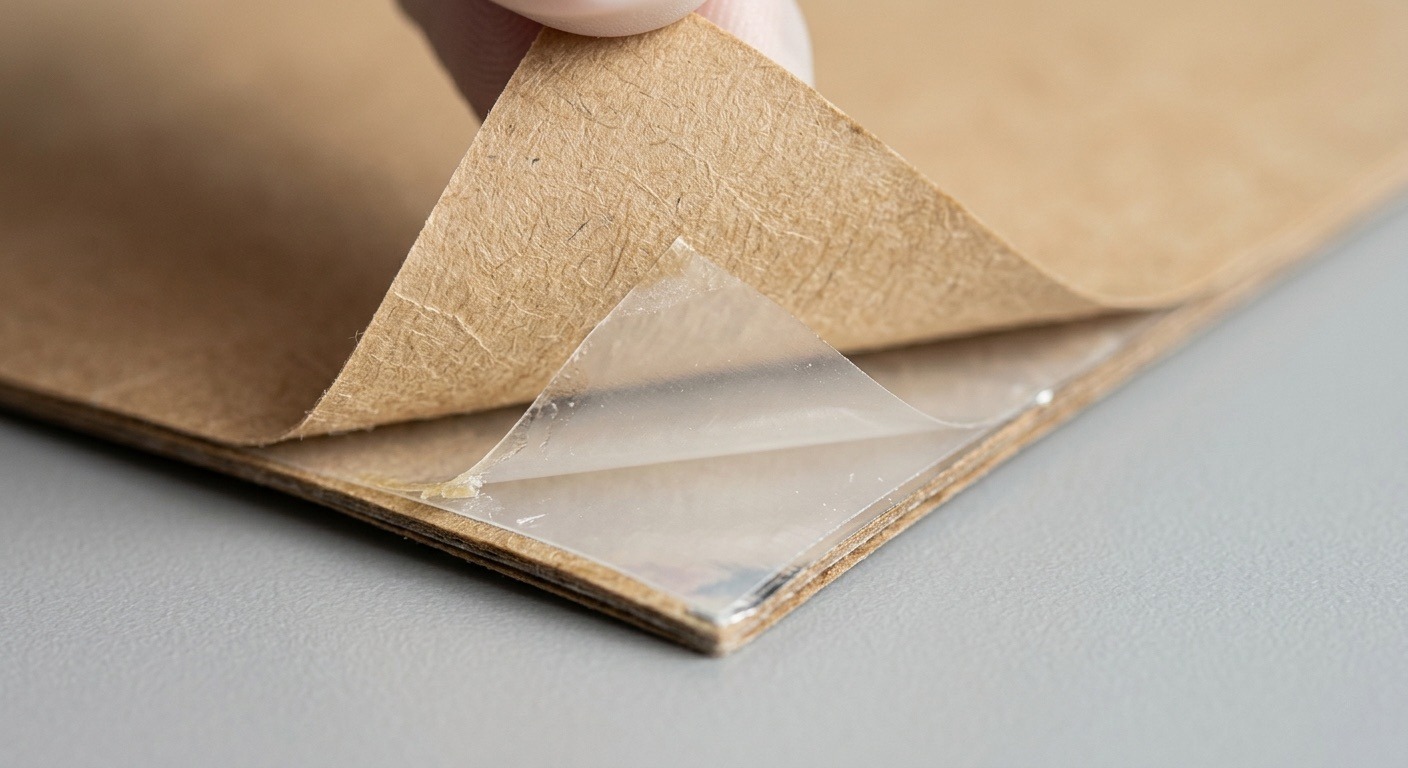
For years, the sustainable option and the high-performing option were two different packages. Paper and pulp looked right on the shelf and right in the recycling bin, but they let in moisture, oxygen, and grease — so anything that actually needed shelf life still ended up in a multi-layer plastic laminate. That's the gap our multi-source lamination process is built to close: bonding paper, pulp, cellulose, and engineered barrier layers into one structure, with the barrier tuned to what the product actually needs instead of a generic one-size-fits-all layer. A dry bakery item and a chilled ready meal aren't fighting the same threats, so they shouldn't be wearing the same barrier.
The latest generation of these laminates is now matching the oxygen and moisture performance of conventional multi-layer plastic — while staying inside a single, recyclable material family instead of the mixed layers that make most flexible packaging impossible to sort. Add UV LED printing that holds sharp color straight on the substrate and laser die-cutting that adds windows or micro-perforations without a new tool for every design, and the result is a pack that looks premium, keeps food fresh on its normal timeline, and still has somewhere to go once it's empty. None of it requires a line changeover, either — it's built to run on the HFFS, VFFS, and thermoforming equipment brands already have.
Technology
The Print Job Rigid Packaging Couldn't Match
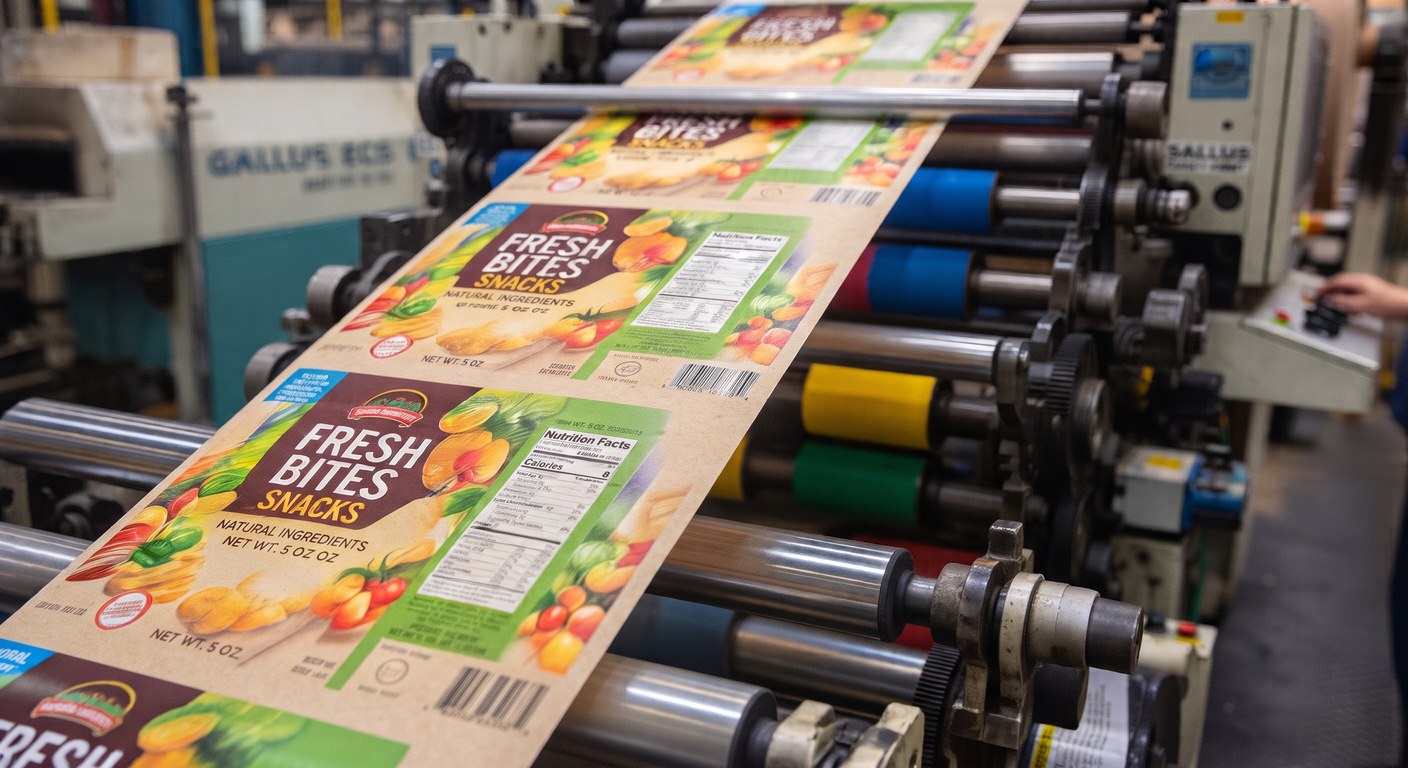
Brand teams moving off glass or tin and onto flexible pouches used to accept a trade-off: better sustainability numbers, weaker shelf presence. Standard flexo printing on film could get the job done, but it struggled with the fine detail and color depth that made a jar or tin look premium — gradients banded, small type blurred, matte finishes were hard to hold consistently. Our UV LED printing line is built specifically for flexible substrates, and it closes that gap, holding sharp detail and full color depth at a level that used to be exclusive to rigid packaging.
The finish options matter as much as the sharpness. Brands can spec anything from a soft, paper-like matte to a high-impact gloss on the same film without changing the underlying structure, and every ink set is compliant with BfR and FDA food-contact standards — so there's no separate conversation about food safety once the design is signed off. For a category where shoppers still judge sustainable packaging on how "cheap" it looks on shelf, that's often the detail that gets a redesign approved.
Technology
Custom Packaging Shapes Without the Tooling Bill
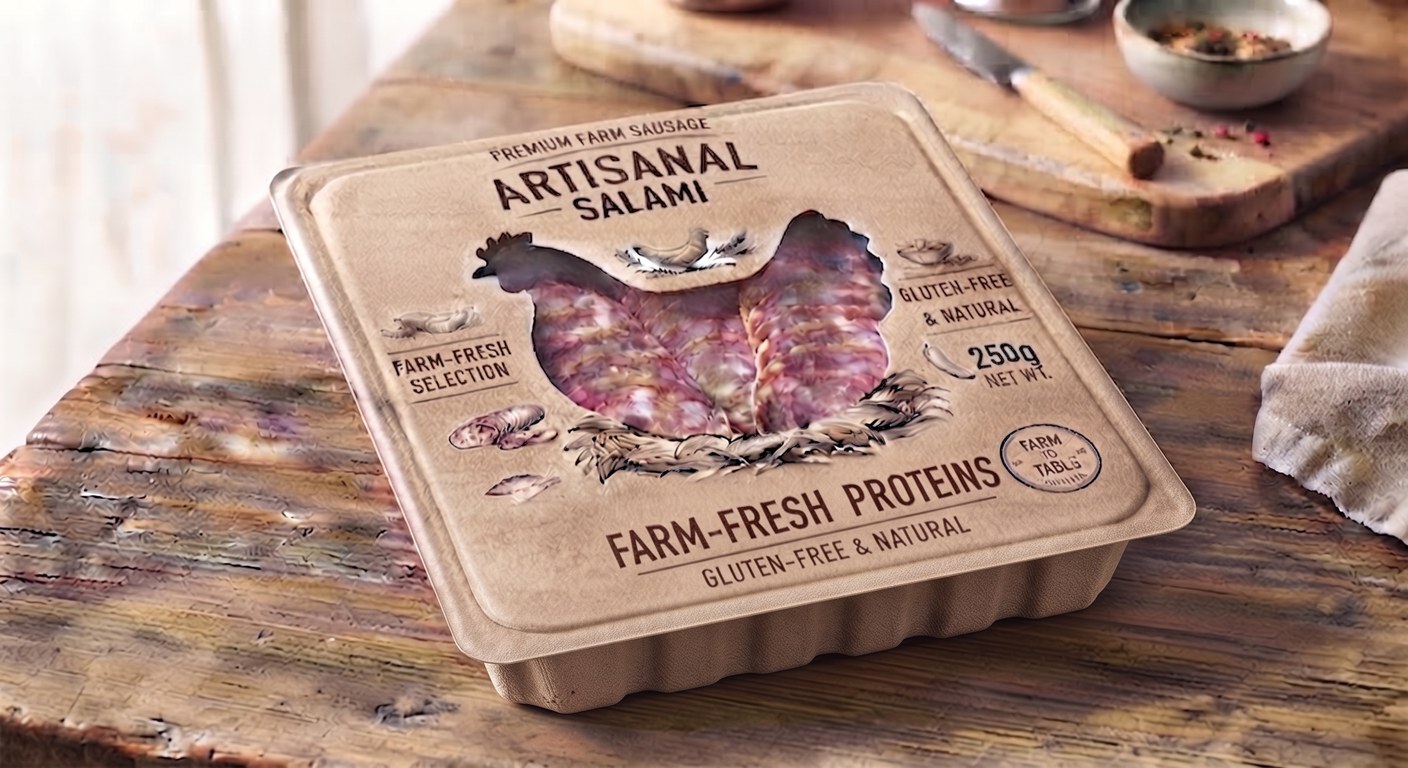
A custom window or an unusual pack silhouette used to mean commissioning a steel die — a real cost and a real wait, which is why most packaging still ships as a plain rectangle no matter how distinctive the brand behind it wants to look. Laser die-cutting removes that constraint. Because the cut is programmed rather than tooled, we can put a window, a scalloped edge, or a pattern of micro-perforations on a run without waiting on a new die or paying for one — which matters most for the shorter or seasonal batches that never used to justify the tooling cost.
The functional upside is just as real as the design one. Micro-perforation patterns can be tuned per product — more airflow for a crusty loaf that needs to breathe, less for something that shouldn't dry out — extending shelf life without changing the base film. It's the kind of adjustment that used to require a different pack structure entirely; now it's a setting in the cutting file.
Coffee
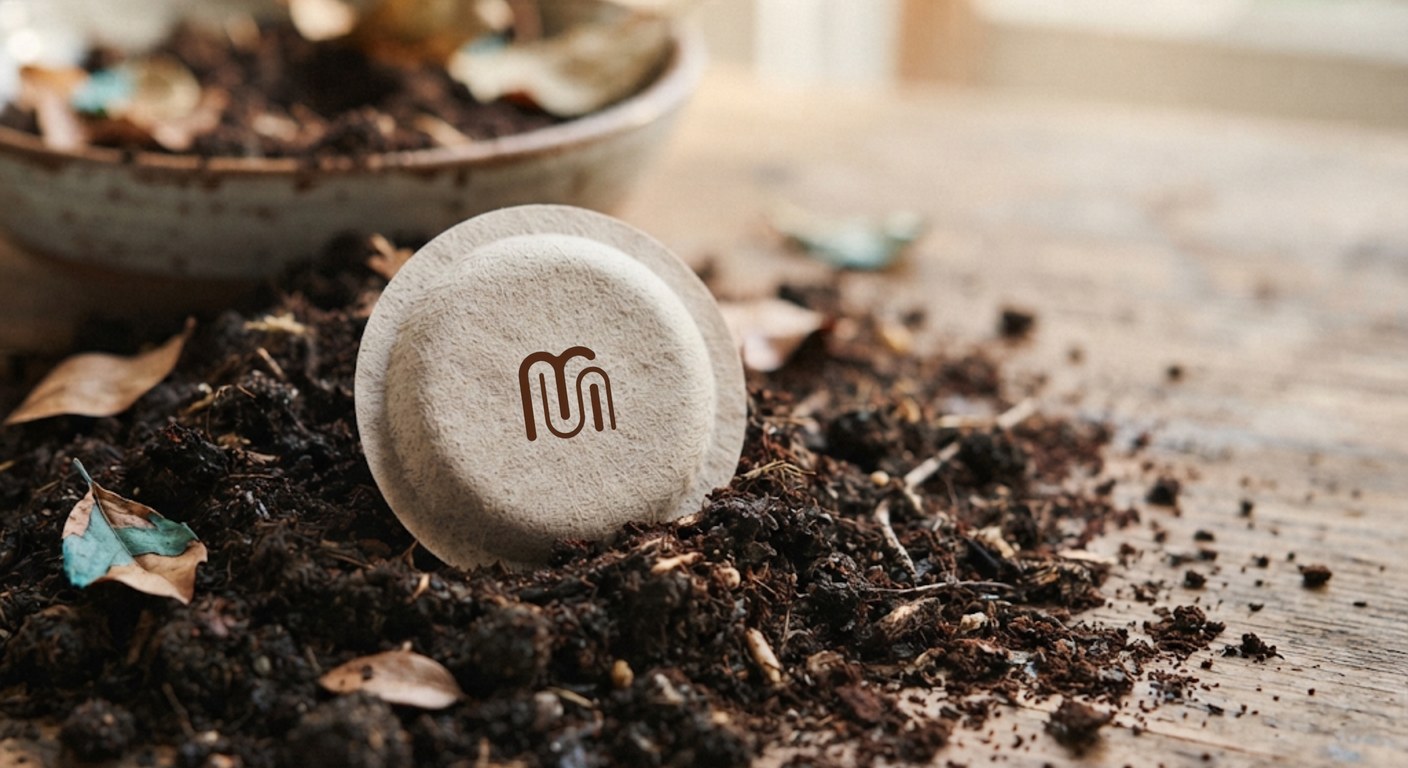
A Compostable Coffee Pod That Still Fits Your Machine
Coffee pods have a reputation problem that's mostly deserved — most single-serve pods on the market are a mix of plastic and aluminum that's genuinely difficult to recycle, no matter what the brand's sustainability page claims. Our coffee pod film takes a different approach: more than 90% of the raw material is bio-based, and it's certified for both home and industrial composting, not just "technically compostable at a facility that may or may not exist near the consumer."
None of that comes at the cost of what actually makes a pod work. The film holds an ultra-high barrier to protect coffee aroma and freshness, it's compatible with Nespresso systems and standard pod filling lines so brands don't need new equipment to switch, and it still takes high-definition printing for shelf presence. It's manufactured under BRC and HACCP protocols with FSC™-certified inputs and rated for a 6-month shelf life — the same numbers a conventional pod would need to hit, just without the aluminum liner.